Puzzle Sample Laser Cut Modern Puzzle Review
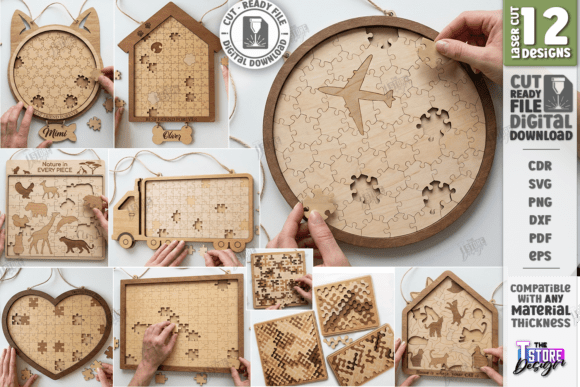
When I first opened the file for Puzzle Sample Laser Cut Modern Puzzle, I knew I was looking at something that could work beautifully in embroidery—but only if handled with care. This design carries a nature theme built around puzzle-piece logic, and it immediately struck me as a piece that could land well in gift shops, children’s boutiques, and handmade product lines. But as someone who has stitched thousands of machine embroidery designs and sold finished products for years, I also saw a few potential pitfalls. Let me break down what this design actually does once it leaves the digital file and hits the fabric.
First Impression: Soft, Playful, and Thoughtful
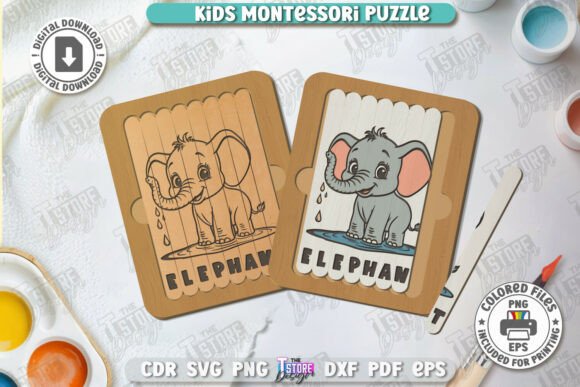
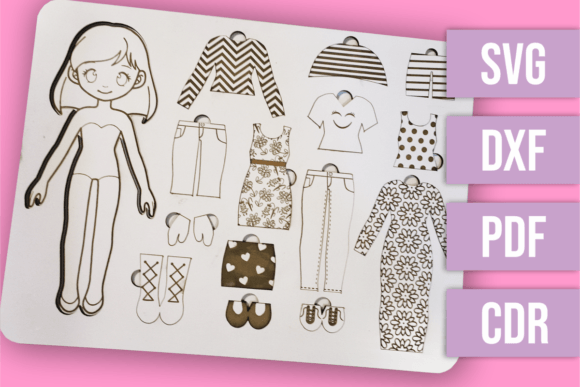
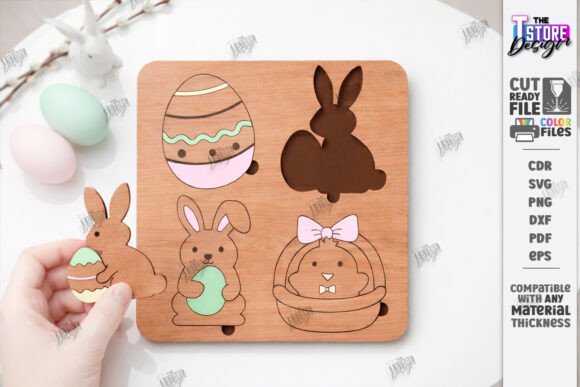
The mood of Puzzle Sample Laser Cut Modern Puzzle is gentle and curious. It has that feel of something you’d find in a modern nursery or a nature-inspired children’s room. The puzzle theme gives it a built-in story—assembly, logic, family activity—and that makes it easy to market. If you are an Etsy seller or a small shop owner looking for designs that feel intentional rather than generic, this one has a quiet confidence. It is not loud or trendy in a way that will date quickly. The nature elements within the puzzle pieces give it warmth and make it suitable for both boys and girls, which is a practical advantage when you are stocking inventory for a craft fair or building a product line.
I would describe the visual personality as thoughtful, calm, and slightly nostalgic. It does not scream for attention, but it holds it. That kind of design is valuable for personalized gifts, baby embroidery, and boutique branding where you want the stitching to feel like part of a story, not just decoration.
Real Use Scenario: A Custom Embroidered Tote Bag
Last week, I prepared a sample tote bag using Puzzle Sample Laser Cut Modern Puzzle as the central embroidery motif. I chose a medium-weight cotton canvas in a soft cream color. The puzzle pieces with their nature details—leaves, a small tree, a bird silhouette—stitched out cleanly on the flat surface of the tote. I used a mid-weight cutaway stabilizer and a 60/10 needle. The satin stitch outlines held their shape well, and the fill stitch areas felt dense enough to look solid without puckering the fabric.
I imagined this tote bag being sold as a gift for a young child or as a parent-child activity item. The puzzle theme suggests something interactive, and the nature motifs give it a gentle educational angle. A customer buying this at a craft fair or on Etsy would likely see it as a meaningful, handmade product rather than a mass-produced item. That perception is exactly what small business owners need to build trust and justify pricing.
How It Performs Across Different Embroidery Projects
I tested Puzzle Sample Laser Cut Modern Puzzle on several fabric types and product formats. Here is what I found.
Custom Apparel and Sweatshirts
On a cotton sweatshirt, the design sat nicely. The puzzle pieces are not overly large, so they work well centered on the chest or slightly offset near the shoulder. The satin stitch areas handled the slight stretch of the sweatshirt fabric without distortion, provided I used a ballpoint needle and a tear-away stabilizer with a layer of cutaway underneath. The nature elements within the puzzle stayed readable, even from a few feet away. That is important for apparel decorators who want their stitching to look professional in real-life settings, not just in mockups.
T-Shirts and Lightweight Fabrics
On a standard t-shirt, the design performed adequately but required careful hooping. The fill stitch areas are moderate in density, and I recommend testing on a scrap tee first. If the fabric is very thin, the heavier stitch areas might show through on the back. A lightweight cutaway stabilizer solved that issue for me. The puzzle theme still came through clearly, but I would not recommend this design for ultra-lightweight or sheer fabrics unless you are comfortable with extra stabilization.
Baby Clothes and Onesies
This is where Puzzle Sample Laser Cut Modern Puzzle really shines. The nature theme and puzzle concept fit beautifully on a baby onesie or a soft baby blanket. The design is not too large for a 4x4 hoop, and the gentle imagery feels appropriate for a very young child. I stitched it on a white organic cotton onesie, and the colors I chose—soft sage green, warm beige, and a muted sky blue—kept the look calm and giftable. The puzzle pieces add a subtle developmental angle that parents appreciate. For baby embroidery, this design is a strong contender.
Caps and Curved Surfaces
This is where you need to be careful. The puzzle pieces contain small details and internal lines that can become distorted on a curved cap surface. I tested the design on a structured baseball cap, and while the overall shape held, some of the finer nature details in the smaller puzzle pieces lost clarity. If you are a cap decorator, I recommend scaling the design up slightly and using a cap frame with proper stabilization. Even then, expect some loss of sharpness in the most detailed areas. This design is better suited for flat or gently curved products than for highly curved surfaces.
Patches, Pillow Covers, and Kitchen Towels
As an embroidered patch, Puzzle Sample Laser Cut Modern Puzzle works well. The puzzle theme feels like a natural fit for a patch that could be ironed onto a backpack or a tote. I made a prototype patch using a heavy cutaway stabilizer and a border of satin stitch, and the result was clean and sturdy. For pillow covers, the design adds a decorative, thoughtful touch that would appeal to parents looking for nursery decor. On kitchen towels, the nature theme felt slightly out of place—the puzzle pieces looked fine, but the overall mood is more suited to a child’s room or a gift item than a kitchen utility product.
Where to Use This Design Carefully
No design is perfect for every surface, and Puzzle Sample Laser Cut Modern Puzzle has a few limitations worth noting before you commit to a production run.
- Small hoop sizes: If you are working with a 4x4 hoop, the design fits, but the smaller puzzle pieces may lose detail. Test at full size before scaling down.
- Textured fabrics: On fleece, terry cloth, or heavy knits, the internal nature details can sink into the fabric texture. Use a topper and a sharp needle to keep the stitches visible.
- Thin or stretchy fabric: The fill stitch areas can pull or distort lightweight materials. Stabilize well and consider reducing stitch density slightly if your software allows it.
- Dark fabric: The design relies on shape and outline for clarity. On dark fabric, choose thread colors that contrast strongly with the background. A white or light thread outline will help the puzzle pieces read clearly.
- Layered garments: If the design is placed over a seam or a pocket, the stitching can become uneven. Keep it on a flat panel for best results.
- Frequent washing: For products like baby bibs or blankets that will be washed often, use a high-quality polyester thread and a dense enough stitch pattern to prevent fraying. The puzzle pieces with narrow bridges between them are potential weak points in heavy wash cycles.
Visual Appeal, Product Value, and Customer Trust
One of the reasons I continue to work with designs like Puzzle Sample Laser Cut Modern Puzzle is that they add clear value to a finished product. A plain tote bag or a basic sweatshirt becomes something a customer is willing to pay more for when the embroidery feels thoughtful and well-executed. The puzzle theme is inherently interactive—it invites conversation, and that makes the product more giftable. Parents see it as educational. Gift buyers see it as unique. Shop owners see it as something that stands out from the mass-produced options on the shelf.
From a branding perspective, this design communicates a certain kind of care. It says the maker considered the child’s experience, not just the decoration. That builds trust. For Etsy sellers and craft fair vendors, trust is everything. A customer who buys a puzzle-themed embroidered item and feels it is well-made will remember your shop. They will return. They will recommend you. That is the kind of long-term value a good design brings.
Practical Embroidery Designer Notes
Before you stitch this design on a final product, I recommend taking the following steps. These are based on my own testing and the realities of running a small embroidery business.
- Test on scrap fabric first. Always. The puzzle pieces have internal lines that may not stitch as expected on your particular machine or fabric. A test run saves you from ruining a product.
- Check thread color contrast. The nature elements within the puzzle pieces need enough contrast to be visible from a normal viewing distance. Hold your thread colors against the fabric before you load the design.
- Review stitch density. If your software allows, check the density map. Dense areas can cause fabric puckering, especially on lightweight materials. Adjust if needed.
- Confirm hoop size early. Make sure the design fits comfortably in your hoop with room for stabilization. Cramming it into a tight hoop can distort the puzzle piece shapes.
- Inspect small details. Look at the smallest puzzle piece and the thinnest nature element. If those details are smaller than your machine can handle cleanly, consider scaling the design up.
- Test in black and white mockups. This helps you see the design’s structure without the distraction of color. If it reads well in grayscale, it will read well in color.
- Compare light and dark fabric backgrounds. The same thread colors can look dramatically different on a white tee versus a navy hoodie. Test both.
- Use proper stabilizer for the fabric type. Cutaway for knits and stretch fabrics, tear-away for stable wovens. Do not skip this step—it directly affects stitch quality.
- Check licensing before selling. Since I do not have the exact license terms for this file, I recommend you confirm whether the design can be used for commercial embroidery, sold as a finished product, or included in digital product bundles. Respecting licensing protects your business and your reputation.
Final Thoughts on This Design
Puzzle Sample Laser Cut Modern Puzzle is a design that rewards careful preparation. It is not a mindless fill-and-go file. It asks you to think about fabric, placement, thread, and the customer who will ultimately receive the finished piece. For the right products—tote bags, baby onesies, sweatshirts, nursery decor, and personalized gifts—it delivers a clean, meaningful look that customers respond to. The nature theme keeps it grounded, and the puzzle concept gives it a reason to exist beyond decoration.
I would recommend this design to embroiderers who have some experience with moderate-detail machine embroidery designs and who are looking for a piece that feels both modern and gentle. It is not ideal for high-volume production on difficult surfaces, but for a small shop or an Etsy seller building a curated product line, it is a solid addition to your design assets. Test it, trust your stabilizer, and let the puzzle pieces tell their story on fabric.