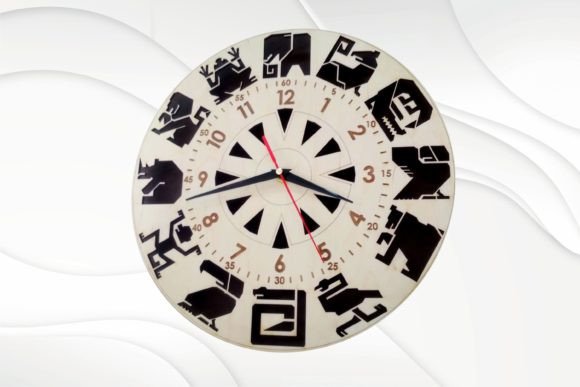
Clock with Animals Pattern: Laser Cutting Wall Decor
As someone who has been selling digital products for years, I’ve learned to evaluate a new graphic design asset with two questions: Does it solve a real buyer need, and can it scale across multiple product types? When I first opened the Clock with Animals Pattern, Laser Cut file, I immediately saw potential for a niche that consistently performs well in creative marketplaces—whimsical, nature-inspired wall decor with a functional twist. The design combines a classic clock face with a menagerie of animals, making it a natural fit for Wall Decor and Laser Cutting projects. But as any experienced seller knows, a good idea on screen doesn’t always translate to a sellable product. Here’s how I tested this design for my own Etsy shop and what you should consider before adding it to your digital product lineup.
First Impressions and Niche Appeal
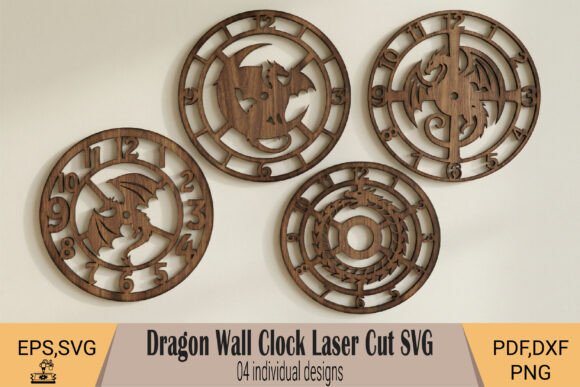
The Clock with Animals Pattern has a playful yet polished feel. The animals are arranged in a circular procession around the clock, giving it a storybook quality that works well in children’s rooms, nurseries, or rustic cabins. The line art is clean—important for laser cutting—and the overall composition is balanced. It doesn’t feel overly cutesy; instead, it leans toward a modern folk-art style that can appeal to both parents and interior decorators. If you’re building a brand around handmade or decorative items, this design fits naturally into a “woodland” or “farm animal” theme. The file comes as a ready laser cut template, with SVG and DXF formats included, so it’s immediately usable for Glowforge owners or anyone with a laser cutter. That convenience is a big plus for sellers who want to minimise prep time.
Real Shop Scenario: Testing Before Listing
I imagined I was preparing a new product collection for my Etsy shop—a mix of physical laser-cut clocks and digital download templates. Before writing a single listing, I ran the Clock with Animals Pattern through a few real-world tests. First, I opened the SVG in my design software and checked the cut lines. The file is cleanly separated, with no overlapping paths that could cause issues during laser cutting. I then created a quick mockup on a wooden background to see how it would look as a finished product. The contrast between the engraved lines and the wood grain was strong, and the animal details remained readable even when scaled down to a 10-inch diameter. Next, I tested it as a digital SVG design for Cricut users—the cut paths were simple enough for vinyl or cardstock, making it viable for sticker sheets or layered paper art. This kind of multi-platform testing is essential before you commit to a listing. If the design fails in one format, you can adjust your product description or bundle it with a version that works.
Product Applications Across Platforms
The versatility of this graphic design asset is its strongest selling point. Here are the product types I explored:
- Physical laser-cut clocks – The obvious use. Sell as a finished product on Etsy or at craft fairs. The laser cutting design is ready to go, and you can offer customisation (e.g., different wood types or paint colours).
- Digital download bundles – Package the SVG, DXF, and PNG files together. Many buyers want the ready laser cut template so they can make their own clock. This is a low-effort, high-margin product.
- Printable wall art – Convert the design into a high-resolution PNG or PDF. It works as a single print or as part of a nursery art set. The animal theme is a natural fit for printable design bundles.
- Sublimation designs – Use the pattern on mugs, tumblers, or tote bags. The circular composition works well for round surfaces, and the animal details add charm to everyday items.
- Cricut projects – The cut lines are simple enough for adhesive vinyl or iron-on. Create clock decals, wall stickers, or layered cardstock ornaments.
- Canva templates – Import the PNG into Canva and use it as a background element for social media graphics or invitation templates. The illustration adds a handmade feel without extra design work.
- Print-on-demand merchandise – Test the design on t-shirts, tote bags, or zip pouches. The animal pattern is subtle enough to work as a front-and-center graphic or a small chest logo.
For sellers who focus on commercial design, this asset can be the centerpiece of a themed bundle—pair it with coordinating fonts, a matching paper pack, and a few extra animal silhouettes to create a complete “Woodland Clock” collection.
Where This Design Shines
In my testing, the Clock with Animals Pattern performed best in large, clear presentations. It’s ideal for:
- Product mockups – A high-quality mockup showing the clock on a natural wood background or a pastel wall can drive clicks. The product mockup should emphasise the animal details to build visual interest.
- Themed bundles – Combine with other woodland or barnyard designs for a cohesive shop collection. Buyers often look for matching sets.
- Seasonal promotions – The neutral animal theme works year-round, but you can tweak the colour palette for spring or autumn. A pastel version for Easter or a warm-toned one for Thanksgiving keeps the design fresh.
- Decor items with a functional twist – Clocks are inherently useful, so the Wall Decor angle is strong. The laser-cut aspect adds a handmade, premium feel that justifies a higher price point.
- Brand identity – If you’re a small business selling custom wood signs, this design can become a signature product. The digital cut drawing is consistent, so you can scale production without quality loss.
Cautions and Practical Tests
No design is perfect for every situation. I found a few areas where the Clock with Animals Pattern needs careful handling:
- Small details in stickers – When scaled down to a 2-inch sticker, some of the animal features (like eyes or ears) become too tiny to cut cleanly. If you’re selling sticker design sheets, consider offering a simplified version or a larger size.
- Low-resolution prints – The original file is vector-based, so it scales infinitely. But if you export it as a raster image for a PNG design, make sure to use at least 300 DPI. Blurry animal outlines will hurt your perceived value.
- Dark backgrounds – The line art is thin, so on dark wood or black paper, the contrast may be weak. I recommend testing the engraving or print on a light-coloured substrate first. If you must use a dark background, adjust the file to have thicker lines or a white fill.
- Overly complex layouts – The design is already detailed. Avoid adding extra text or heavy borders around the clock face. The visual hierarchy should keep the animals and the clock as the focal points.
- Text-heavy templates – This is not a design for invitations that require lots of text. The animal pattern is the star; let it breathe.
Before you publish, run these tests:
- Mockup check – Place the design on a white background, a natural wood texture, and a dark surface. Note how the contrast changes.
- Thumbnail preview – Shrink the design to a 200-pixel square. If the animals become unrecognisable, consider offering a larger version or a simplified thumbnail.
- Cut quality test – If you have a laser cutter or Cricut, physically cut the design. Look for any stray lines or unsupported pieces. The Glowforge laser cut file should be ready to go, but always verify.
- File organization – Name your layers clearly (e.g., “cut lines”, “engrave”, “no cut”). Customers appreciate ready laser cut template files that are easy to use.
- Commercial licensing – Double-check the license terms of the original asset. If you plan to sell physical products, ensure the commercial license covers that use. Most marketplaces allow it, but it’s better to be safe.
Pairing with Fonts and Additional Elements
To make your product listings stand out, pair the Clock with Animals Pattern with complementary typefaces. For a whimsical look, a handwritten font or script font works well on the clock face or in the product title. A serif font adds a classic, premium feel—perfect for a rustic clock sign. A sans serif font keeps the design modern and clean, suitable for minimalist decor. I also recommend creating a small design bundle that includes a few extra SVG animal silhouettes (like a fox, rabbit, and bear) so buyers can customise their clock. That upsell can increase your average order value.
Supporting a Professional Product Collection
As a digital product seller, building a cohesive shop is key to repeat customers. The Clock with Animals Pattern can anchor a whole collection: offer the laser-cut clock as a physical product, a digital SVG bundle, a printable wall art set, and a sublimation design for mugs. Use consistent mockups across all listings—same background, same lighting, same angle. This brand identity signals professionalism and makes your shop look curated. For social media graphics, create a carousel post showing the design in different formats: a laser-cut clock, a framed print, a tote bag. The visual storytelling helps customers imagine the product in their own lives.
I also suggest testing the design in a seasonal bundle. For example, combine it with a fall-themed paper pack and a “thankful” sentiment to create a Thanksgiving clock. Or add pastel colours and a “spring” word art for a nursery clock. The underlying animal pattern is versatile enough to adapt, and buyers appreciate the ready-to-use options.
Finally, always include a clear commercial license statement in your listings. Many buyers are small business owners or handmade business operators who need to know they can sell finished products. Being transparent about usage rights builds trust and reduces support messages.
In my evaluation, the Clock with Animals Pattern, Laser Cut is a solid design asset for anyone selling in the wall decor or laser cutting niche. It’s not a one-size-fits-all solution—you’ll need to test it on your specific products—but its clean lines, charming subject matter, and ready-to-use file formats make it a worthwhile addition to your digital product library. Whether you’re a Cricut user, a print-on-demand seller, or a creative entrepreneur building a brand, this design offers both simplicity and scalability. The key is to preview it honestly, adapt it to your audience, and present it with the same care you would any handmade product. Done right, it can become a reliable seller in your shop for seasons to come.