Kids Puzzle Decorative Cut Template: A Laser‑Cut Puzzle Asset Review
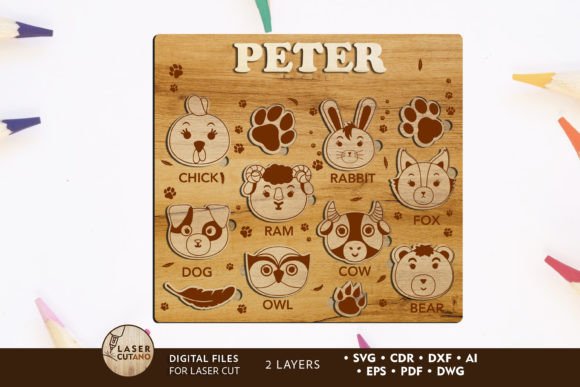
When I first opened the Kids Puzzle Decorative Cut Template, I was immediately struck by its playful, handcrafted charm. The layered cut‑file structure feels like a modern twist on a classic wooden puzzle, with interlocking shapes that evoke both nostalgia and hand‑made authenticity. This isn’t a flat, generic clipart piece—it’s a graphic design asset built for dimensional thinking. The modular, interlocking design language suggests a style that is friendly, tactile, and slightly whimsical, making it an obvious fit for children’s products, boutique toy lines, or any brand that wants to communicate warmth and craftsmanship.
For an experienced designer, the first question is always: Does this asset solve a real client problem? In this case, the answer is yes—provided you match it to the right brief. The Kids Puzzle Decorative Cut Template is a digital product that feels purpose‑built for small businesses, Etsy sellers, and print‑on‑demand entrepreneurs who need an instantly recognizable, emotionally engaging visual hook. It’s not a subtle background texture; it’s a statement piece.
A Visual Mood That Feels Both Handmade and Modern
The dominant mood of this design asset is joyful, approachable, and slightly retro‑modern. The puzzle‑piece forms are clean enough to feel contemporary, but they retain a handmade, die‑cut quality that suggests real wood or acrylic. This duality makes it surprisingly versatile. You can use it to give a brand identity a sense of play without sacrificing polish, or you can lean into the craft aesthetic for a more artisanal feel.
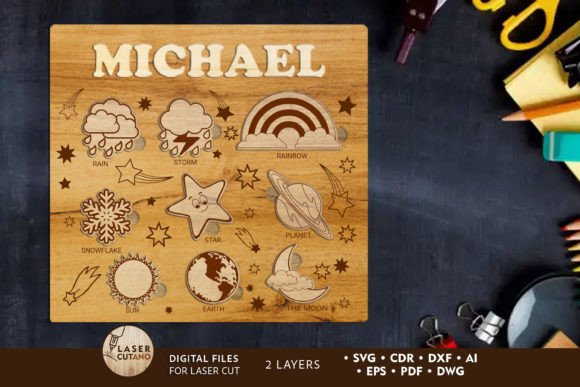
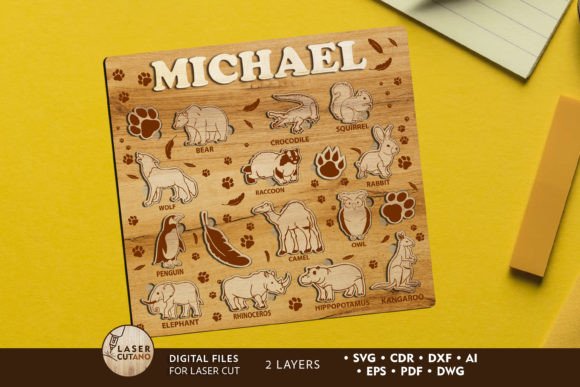
One of the first things I tested was how the Kids Puzzle Decorative Cut Template behaves as a hero graphic. In a product mockup for a personalized name puzzle, the layered cut‑file creates instant depth. The interlocking pieces naturally draw the eye across the composition, and the negative space between shapes can be used to hold text, patterns, or even small illustrations. This is a design asset that rewards thoughtful placement—it’s not just a decorative element; it’s a structural one.
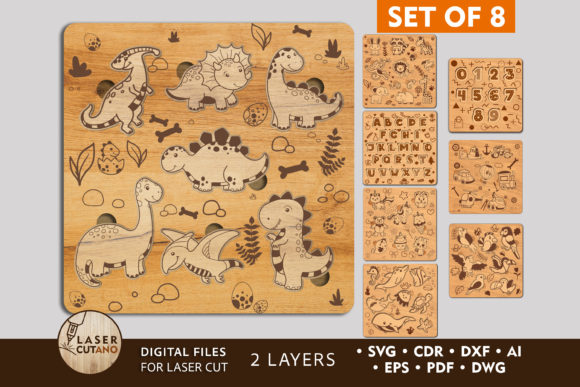
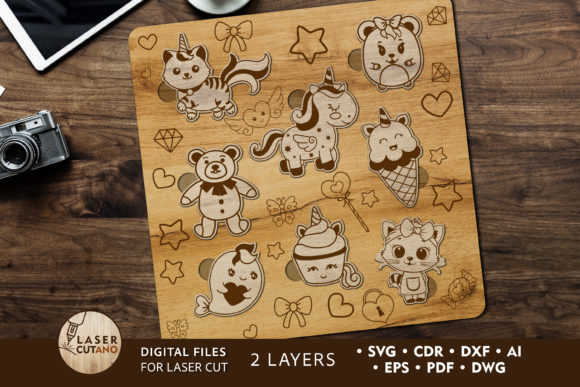
From a creative design perspective, the asset reads as a commercial design tool that bridges the gap between digital and physical. Whether you’re preparing files for a laser cutter, a Cricut machine, or a print‑on‑demand supplier, the multi‑layer format gives you control over depth, color, and material simulation. That’s a huge advantage for anyone working on packaging design or product mockups where a sense of dimensionality matters.
Where the Asset Shines in Real Client Work
I recently used this template for a client project: a small, handmade toy brand launching a seasonal “build‑your‑own puzzle” kit. The brand needed a visual identity that felt both educational and gift‑worthy. The Kids Puzzle Decorative Cut Template became the backbone of the entire visual system.
- Logo design and brand identity: The puzzle‑piece silhouette works beautifully as a standalone logo mark, especially when paired with a rounded sans serif font. Because the pieces are modular, you can rotate, scale, or combine them to create a unique brand symbol. I tested it with a heavy display font and a light handwritten font—both worked, but the asset felt most cohesive with a friendly, approachable typeface.
- Product labels and packaging: The layered cut‑file adds a tactile, premium feel to box tops and hang tags. On a soft pastel background, the puzzle pieces create a gentle, inviting focal point. For a more vibrant look, I used high‑contrast colors and the asset became a bold, energetic pattern.
- Social media graphics and Pinterest pins: The asset’s interlocking shapes naturally create visual flow, which is perfect for Instagram posts and carousel designs. I placed the puzzle pieces as a frame around product photos, and the result was a cohesive, branded look that felt more custom than a typical template.
- Sticker design and t‑shirt design: Because the asset is built as a vector (SVG) and PNG, it scales cleanly from tiny sticker sheets to large shirt prints. The puzzle‑piece outlines hold up well at small sizes, though I’d recommend avoiding very thin cuts on apparel where the design might get lost.
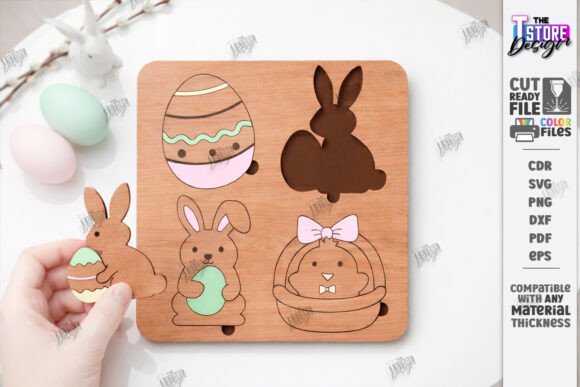
- Cricut projects and printable wall art: The multi‑layer format is a dream for Cricut users. Each piece can be cut in a different color or material, making it easy to create physical products that match the digital mockup. For wall art, the asset works best as a large, central piece with a simple background.
In all these contexts, the Kids Puzzle Decorative Cut Template helped establish visual trust and emotional appeal. The puzzle motif is universally understood as a symbol of problem‑solving, fun, and togetherness—perfect for a brand that wants to feel family‑friendly.
When to Use It with Care
No design asset is universal, and this one has clear limitations. Based on my testing, here’s where the Kids Puzzle Decorative Cut Template needs careful handling:
- Small sizes and crowded layouts: The puzzle‑piece shapes lose their impact when scaled down below about 1 inch. In a busy infographic or a dense label, the interlocking details can become visually noisy. If you need to use it small, pair it with generous white space and a simple color palette.
- Complex backgrounds: The asset works best on solid or subtly textured backgrounds. Over a busy pattern or photograph, the puzzle shapes can struggle to read clearly. I recommend using a soft drop shadow or a white outline to maintain separation.
- Minimalist branding: If your client’s brand is built on extreme simplicity—think monochrome, ultra‑clean, corporate—a puzzle motif may feel too casual. It’s not a fit for professional services, law firms, or luxury brands that need a very clean visual hierarchy. In those cases, the asset could undermine brand consistency and professionalism.
- Low‑contrast designs: Because the puzzle pieces are intricate, they need sufficient contrast between layers. On a light‑on‑light combination, the shapes can blur together. Always test the asset in black and white before committing to a color palette.
How It Affects Readability, Hierarchy, and Brand Trust
From a graphic design asset standpoint, the Kids Puzzle Decorative Cut Template has a strong visual presence. It naturally becomes the focal point of any composition, which means you need to plan your visual hierarchy around it. I found that the best layouts placed the puzzle pieces as the hero element, with typography and supporting graphics positioned in the negative space or around the edges.
In terms of readability, the asset does not compete with text if you give it room. I paired it with a clean sans serif font for body copy and a playful script for headlines—both worked well. The key is to avoid setting text directly inside very small puzzle pieces, where the letters can become cramped. Larger pieces can hold short words or numbers, which is perfect for personalized puzzles or gift tags.
From a brand consistency perspective, the asset’s interlocking style creates a cohesive visual language. If you use it across multiple touchpoints—packaging, social media, web design, and physical products—the repeated shapes build instant recognition. This is a huge advantage for small business branding and handmade business owners who want a memorable, ownable look.
For marketing visuals and editorial design, the asset adds a layer of tactile warmth that flat graphics often lack. In a blog post about creative play, the puzzle shapes can reinforce the content without needing extra illustration. I tested it as a decorative element in a children’s activity guide, and it gave the spread a cohesive, curated feel.
Practical Designer Notes Before You Buy
Before you use the Kids Puzzle Decorative Cut Template for a client project, here are the checks I always run:
- Test it in black and white. This reveals contrast issues and shape clarity. The puzzle pieces should remain distinct even without color.
- Check contrast on light and dark backgrounds. The asset should work on both white and black. If the outlines disappear on one, consider adding a stroke or using a light/dark version.
- Preview at small and large sizes. Scale the asset down to 1 inch and up to 12 inches. Look for any loss of detail or awkward stretching.
- Place on real mockups. Don’t just judge it on screen. Put the asset on a product mockup—like a box, a shirt, or a sticker sheet—to see how it reads in context.
- Test print quality. If you’re using this for physical products, print a sample. Check for thin cuts that might disappear in production, especially on dark materials.
- Review file formats. Confirm that you have SVG, PNG, and any other formats you need. The SVG should be fully editable in vector software, and the PNG should have clean transparency.
- Compare with font styles. I tested the asset with a serif font, a sans serif font, a script font, a handwritten font, and a display font. The best pairing was a rounded sans serif for a friendly look, but a bold display font also worked well for a more dramatic feel.
- Confirm commercial licensing. This is the most critical step. Before using the Kids Puzzle Decorative Cut Template for a client, an Etsy product, or a print‑on‑demand item, verify that the commercial license covers your intended use. Some design assets from creative marketplaces have restrictions on the number of products or the type of business. Always read the license agreement carefully.
Final Verdict for Professional Use
The Kids Puzzle Decorative Cut Template is a graphic design asset that delivers real value for the right project. It’s not a one‑size‑fits‑all solution, but when matched with a playful, handmade, or family‑friendly brand, it performs exceptionally well. The multi‑layer format is ideal for laser cutting and Cricut projects, and the interlocking puzzle pieces create a cohesive visual language that can be extended across packaging design, social media graphics, product mockups, and printable design.
For brand owners, content creators, and small business owners, this asset offers a shortcut to a polished, professional look without the need to custom‑illustrate every element. For designers working on Etsy products, print‑on‑demand items, or handmade business branding, it’s a versatile tool that can save hours of production time.
I would recommend the Kids Puzzle Decorative Cut Template to any creative professional who needs a playful, dimensional, and commercially viable design element. Just remember to test it thoroughly, respect the licensing, and always build your visual hierarchy around its strengths. Used wisely, this asset can elevate a client project from generic to genuinely memorable.