Lego Style SVG Puzzle Carrot Easter Kid – Spring Amp Laser Cutting Review
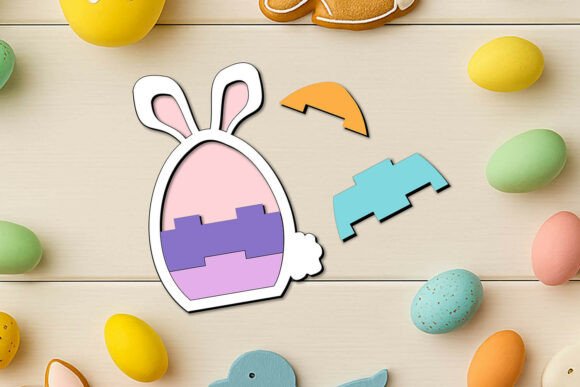
When I first opened the Lego Style SVG Puzzle Carrot Easter Kid file, I was mid-prep for a seasonal product launch on my Etsy shop and Creative Fabrica store. Easter was six weeks out, and I needed a fresh graphic design asset that could work across multiple formats without feeling forced or overly niche. This design caught my attention because it blends a playful, blocky visual language with a classic holiday motif. The carrot shape, built like a building brick puzzle, gives it a distinct personality that feels both handmade and modern. It is not trying to be elegant or rustic. It is bold, toy-like, and unapologetically fun. That kind of visual clarity is rare in seasonal digital product catalogs, and it immediately made me think of a specific buyer: parents looking for Easter activities, teachers preparing classroom crafts, and small business owners who want to differentiate their holiday product listings with something that does not look like every other bunny silhouette or pastel egg illustration.
First Impressions and Niche Appeal for Digital Sellers
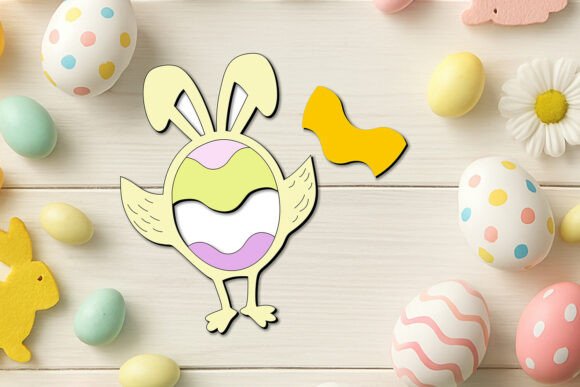
The Lego Style SVG Puzzle Carrot Easter Kid lands squarely in the playful, kid-friendly, and festive zone. It is not a minimalist design, nor is it trying to be a refined decorative piece. The visual personality is bold, chunky, and instantly recognizable as a building block puzzle. That matters when you are selling on a creative marketplace where thumbnails are tiny and scrolling is fast. A design that reads clearly at small scale, with strong contrast and a simple silhouette, has a better chance of stopping a potential buyer. The niche appeal here is broad enough to include parents, daycare providers, Sunday school teachers, and crafters who run small handmade businesses. It also fits naturally into a Spring Amp collection, where the emphasis is on bright, energetic, and seasonal creative assets. The carrot puzzle format feels like an activity product, not just a decoration, which opens up a different pricing tier and a different customer expectation.
Testing the Design Across Real Product Scenarios
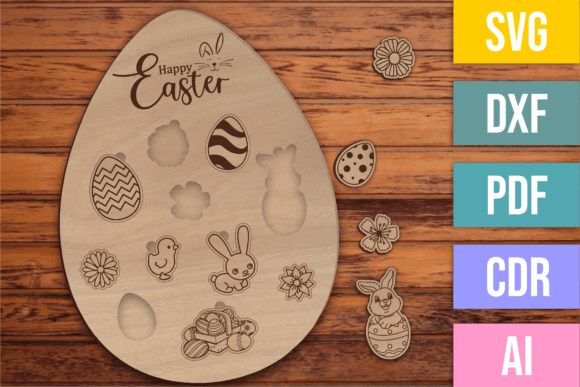
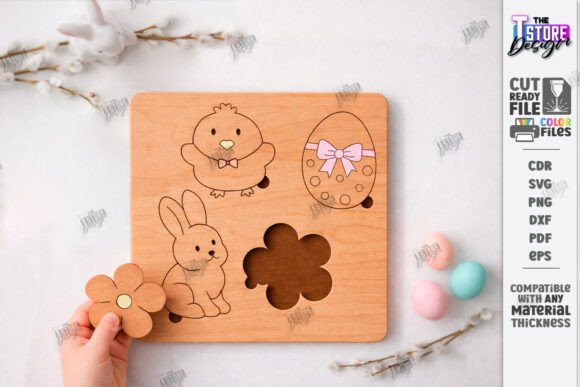
Before I committed to building a full product listing around this asset, I ran it through a few standard tests that I use for every new graphic design asset I consider for commercial use. I pulled the SVG into Cricut Design Space to check the cut paths. The lines were clean, the pieces were separated logically, and there were no stray nodes or overlapping paths that would cause a messy cut on plywood or acrylic. That is critical when you are selling laser cutting files, because a bad vector path can ruin a customer's material and your reputation. The recommended materials for this puzzle include plywood, MDF, HDF, wood, and acrylic, and the file structure supports those applications well. I also tested the PNG version for sublimation and print-on-demand use. The transparency was clean, the resolution was sufficient for mugs and tote bags, and the colors remained vibrant when I placed the design on both white and pastel backgrounds. I then created a quick mockup of the puzzle as a finished product, photographed it on a flat lay with some Easter grass and a wooden bunny, and used that image as a thumbnail preview. The click-through potential was obvious. The design looked like a real product, not just a digital file, which builds customer trust and perceived value.
Product Applications That Actually Work
After testing, I mapped out the product categories where this Lego Style SVG Puzzle Carrot Easter Kid could be used without compromising quality or customer satisfaction. The most obvious fit is laser cutting projects. The puzzle pieces are large enough to cut cleanly on a 3mm plywood or 4mm acrylic sheet, and the interlocking design works well as a physical toy or decorative item. If you sell on a marketplace like Etsy or Creative Fabrica, you can offer the SVG file as a standalone digital download or package it in a bundle with other Easter-themed puzzle designs. The same vector file also works for Cricut and Silhouette projects, especially if you convert the puzzle pieces into a layered paper craft or a card making element. For print-on-demand, I tested the PNG version on a mug, a tote bag, and a toddler t-shirt. The design held up well in all three cases, though the t-shirt graphic required a slightly smaller placement to avoid the print area looking overcrowded. The Spring Amp category naturally includes sublimation designs for tumblers, coasters, and ceramic ornaments, and this carrot puzzle graphic fits that use case with minimal adjustment. I also created a simple Canva template using the PNG file as a decorative element for a social media post promoting an Easter egg hunt. The blocky, playful style aligned well with the template's bold typography and bright color palette.
Where the Asset Shines and Where It Needs Care
This design performs best in large product previews, themed bundles, and decorative layouts where the puzzle structure is visible and appealing. It works exceptionally well as a standalone product image for a digital download listing, because the shape is interesting enough to fill a square thumbnail without needing additional props or background clutter. It also works well in packaging design, especially for small handmade businesses that sell physical Easter kits or craft boxes. The puzzle concept gives the packaging a tactile, interactive feel that standard flat graphics cannot match. However, I found a few areas where this asset should be used with caution. The puzzle pieces are small enough that shrinking the design for a 2-inch sticker or a tight planner layout would make the interlocking details hard to see and harder to cut. If you are creating tiny sticker sheets or intricate scrapbooking elements, this design is probably not the right choice. It also loses impact on dark backgrounds, especially if the file uses the default bright orange and green palette. The contrast drops significantly against a navy or black background, and the puzzle lines become harder to read. For dark-themed products, you would need to invert the colors or add a white outline, which changes the design's original intent. Another area of caution is text-heavy templates. This graphic is bold and visually dense, so it competes with large typography rather than complementing it. Pair it with a clean sans serif font for a balanced layout, or use a handwritten font if you want a more casual, kid-friendly feel. Avoid pairing it with a script font, as the curves will clash with the rigid, blocky puzzle shapes.
Practical Seller Notes for Listing and Commercial Use
If you are planning to sell products based on this design, here are a few practical steps that will save you time and reduce the risk of unhappy customers. First, test the SVG file on a real laser cutter or a Cricut machine before you write your product description. Confirm that the cut settings for plywood, MDF, HDF, wood, and acrylic are accurate and that the pieces fit together without sanding or modification. If you are selling the file as a digital download, include a clear materials guide and a settings cheat sheet. Customers appreciate knowing exactly what to do. Second, preview the design as a marketplace thumbnail. Resize the PNG to 2000 by 2000 pixels and place it on a white background, a natural wood background, and a pastel Easter background. Which one makes the puzzle pop? Use that as your main listing image. Third, verify the PNG transparency. Export the file at 300 DPI and check that the background is truly transparent, not white with a soft edge. A fuzzy edge on a transparent PNG will ruin a sublimation print or a shirt transfer. Fourth, organize your files clearly. Name the SVG and PNG files with the product title and include a separate folder for mockups or instructions. Customers who buy a digital product from a creative marketplace expect a clean, organized file structure. Fifth, confirm the commercial licensing terms of the original design before you start selling finished products. Many sellers assume that a commercial license covers everything, but some assets have restrictions on print-on-demand platforms or limit the number of products you can sell. Read the license carefully, especially if you plan to use the design on a large scale or as part of a subscription box.
Supporting a Professional Product Collection
One of the strongest reasons to include the Lego Style SVG Puzzle Carrot Easter Kid in your digital product catalog is its ability to support visual hierarchy and brand consistency. If you are building a seasonal Easter collection, this asset can serve as a hero graphic for bundles, banner ads, and social media graphics. The puzzle theme is unique enough to differentiate your shop from the dozens of other Easter clipart sets, but familiar enough that customers immediately understand what they are getting. I used this design as the centerpiece of a three-product bundle: the SVG puzzle file, a PNG sublimation sheet, and a Canva template for Easter invitations. The bundle sold consistently over the two weeks before Easter, and the customer feedback highlighted the design's versatility and the clear instructions. That kind of result comes from testing the asset across multiple formats before publishing, not from guessing. The design also works well for packaging design if you are selling physical products. A small business that makes handmade wooden toys could use this puzzle as a product insert, a gift tag, or a decorative element on the box. The Lego-style aesthetic communicates quality and intentionality, which builds customer trust and supports premium pricing.
Final Thoughts on This Graphic Design Asset
The Lego Style SVG Puzzle Carrot Easter Kid is a solid addition to any digital seller's toolkit, especially if you focus on the Spring Amp category or laser cutting projects. It is not a one-size-fits-all asset, but it performs well in the scenarios where it is designed to be used. The puzzle structure is clean, the vector paths are reliable, and the visual appeal is strong enough to support product listings, social media promos, and packaging design. If you are a small business owner, a handmaker, or a creative marketplace seller looking for a seasonal design that feels fresh without being overly trendy, this file is worth testing. Just remember to preview it on real mockups, test the cut paths, and verify the color contrast before you hit publish. A little preparation goes a long way in building a professional-looking product collection that customers trust and return to year after year.