Tic Tac Toe Laser Cutting Puzzles: Designer Review
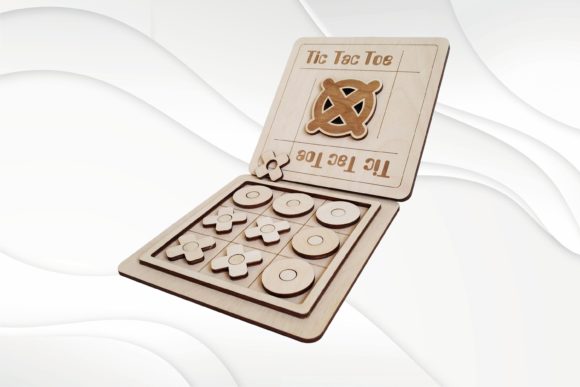
Opening the Tic Tac Toe asset for the first time, I immediately recognized its potential as a graphic design asset that bridges nostalgia and modern craft. The visual language here is clean, geometric, and deliberately simple—a set of SVG design files built around the classic Noughts and Crosses grid. The Laser Cutting template format gives this Puzzles category offering a distinct tactile quality that translates beautifully into both digital and physical design work. As someone who reviews design assets regularly for client projects, I found the mood here to be playful yet structured, childlike without being childish, and versatile enough to serve handmade business owners, small business branding specialists, and print-on-demand entrepreneurs alike.
First Impressions: Visual Mood and Style Fit
The Tic Tac Toe asset creates a mood that is simultaneously retro and contemporary. The grid-based composition feels grounded in classic game design, but the modern design execution keeps it from looking dated. The X and O motifs are rendered with clean lines that suggest precision—a quality that matters when you are building brand identity or packaging design for a client who wants to communicate reliability and fun in equal measure. I immediately thought of a boutique toy company, a family-friendly café, or a handmade business selling wooden games. The creative design sensibility here is approachable, which makes it a strong candidate for commercial design projects targeting parents, educators, or gift buyers.
From a graphic design asset perspective, the style leans toward illustration but with a technical precision that suits laser cutting workflows. The DXF template format for Noughts and Crosses is a thoughtful addition, especially for designers who work with Cricut projects or sublimation design. The Tic Tac Toe pattern is not just a single file—it feels like a small design bundle that could support multiple outputs. For a creative marketplace listing, this kind of coherence is a major plus.
Real Client Project: A Boutique Brand Concept
Let me frame this review around a realistic scenario. I was recently preparing a visual concept for a small business branding client—a handmade wooden toy company launching a travel-friendly game line. The client needed marketing visuals for their Etsy product listings, packaging design for retail, and social media graphics for an Instagram campaign. The Tic Tac Toe asset became the anchor of the entire visual direction. The SVG design files provided the flexibility to scale the grid for product mockups, resize the X and O elements for sticker design, and even adapt the pattern for t-shirt design and mug placements. The printable design aspect meant I could also produce Canva templates for the client's social content, maintaining brand consistency across every touchpoint.
What impressed me most was how the Tic Tac Toe asset performed in logo design exploration. The simple geometric shapes allowed me to test brand identity lockups with different serif font, sans serif font, and handwritten font pairings. The X and O forms are strong enough to stand alone as commercial design elements, yet subtle enough to work as background texture in packaging design. For a handmade business that values authenticity, the wooden board games reference in the asset's origin felt perfectly aligned with the client's artisanal story.
Where This Asset Excels in Real Design Work
The Tic Tac Toe asset shines brightest in large layout areas and hero graphics. When I placed the grid pattern on a product mockup for a travel game box, the visual impact was immediate. The repeatable nature of the pattern works well for packaging design where you need a cohesive background or an accent element. In social media graphics for Instagram posts and Pinterest pins, the modern design of the X and O motifs created a strong focal point that paired well with vector editability for color adjustments. The PNG design files, when included with transparency, made layering in Canva templates effortless.
For editorial design and web design, the Tic Tac Toe pattern works as a decorative accent in headers, footers, or sidebar sections. I tested it in a blog visual for a parenting website, and the grid structure added a playful but organized feel. In sticker design and sublimation design, the clean lines ensured crisp output at small sizes, and the laser cutting origin meant the shapes were optimized for physical production. The clipart quality is high enough for print-on-demand products like tote bags and mugs, where the design needs to read clearly from a distance.
Where to Use This Asset with Care
No graphic design asset is perfect for every scenario, and Tic Tac Toe has limitations that creative design professionals should note. The pattern can feel repetitive in small sizes, especially if used as a full background in crowded layouts where multiple elements compete for attention. In minimalist branding projects that require very clean visual hierarchy, the grid might introduce unnecessary complexity. I also advise caution with low-contrast designs—the X and O shapes can lose definition on complex backgrounds or when paired with similar tones. For professional corporate materials where the tone needs to be strictly formal, the playful nature of the game motif may feel out of place.
Another consideration: the Tic Tac Toe asset, like many design assets from creative marketplaces, should be tested for brand consistency before committing to a full campaign. The visual trust that a client builds with their audience depends on every element feeling intentional. If the asset is used as a supporting brand element rather than a primary graphic, it works well. But if it becomes the hero without careful packaging design context, it may read as generic. I recommend previewing it on real mockups and testing print quality before finalizing any commercial design deliverable.
Practical Designer Notes for Commercial Use
Before using Tic Tac Toe in a client project, I always run a few checks. First, test it in black and white to see how the shapes hold up without color. The vector editability of the SVG design files is crucial here—I open them in Illustrator to inspect the node structure and ensure the paths are clean for laser cutting or Cricut projects. I also check contrast on light and dark backgrounds to see if the X and O motifs remain legible. When I preview it at small and large sizes, the asset performs well down to about 1 inch, but below that, the grid lines can become muddy.
I always place it on real mockups before presenting to a client. For packaging design, I test the commercial license terms to confirm that print-on-demand use is allowed. This is a critical step for any design asset used in small business branding or Etsy product listings. I also review file formats—the PNG design files should have transparent backgrounds, and the SVG design files should be editable without missing paths. For sublimation design, I check the resolution and color profile. Comparing the asset with serif font, sans serif font, script font, handwritten font, and display font styles helps me identify the best typography pairings for brand identity work.
Finally, I confirm commercial licensing before using the asset for a client or business project. This is non-negotiable for any graphic design asset used in commercial design work. The creative marketplace where you source the design bundle should provide clear usage rights. For Tic Tac Toe, the laser cutting template format suggests it is intended for physical production, which aligns well with handmade business and print-on-demand models.
Why This Asset Deserves a Place in Your Toolkit
The Tic Tac Toe asset is a well-executed graphic design asset that balances nostalgia with modern design utility. It offers design assets that support brand identity, packaging design, social media graphics, and printable design projects with equal competence. The vector editability and commercial license make it a safe choice for small business branding and creative marketplace sellers. Whether you are working on logo design for a toy brand, sticker design for a gift shop, or Canva templates for a parenting blog, this Tic Tac Toe pattern provides a solid foundation that can be adapted without losing its core identity. For designers who value visual hierarchy and emotional appeal in their work, this asset is a practical addition to any commercial design library.